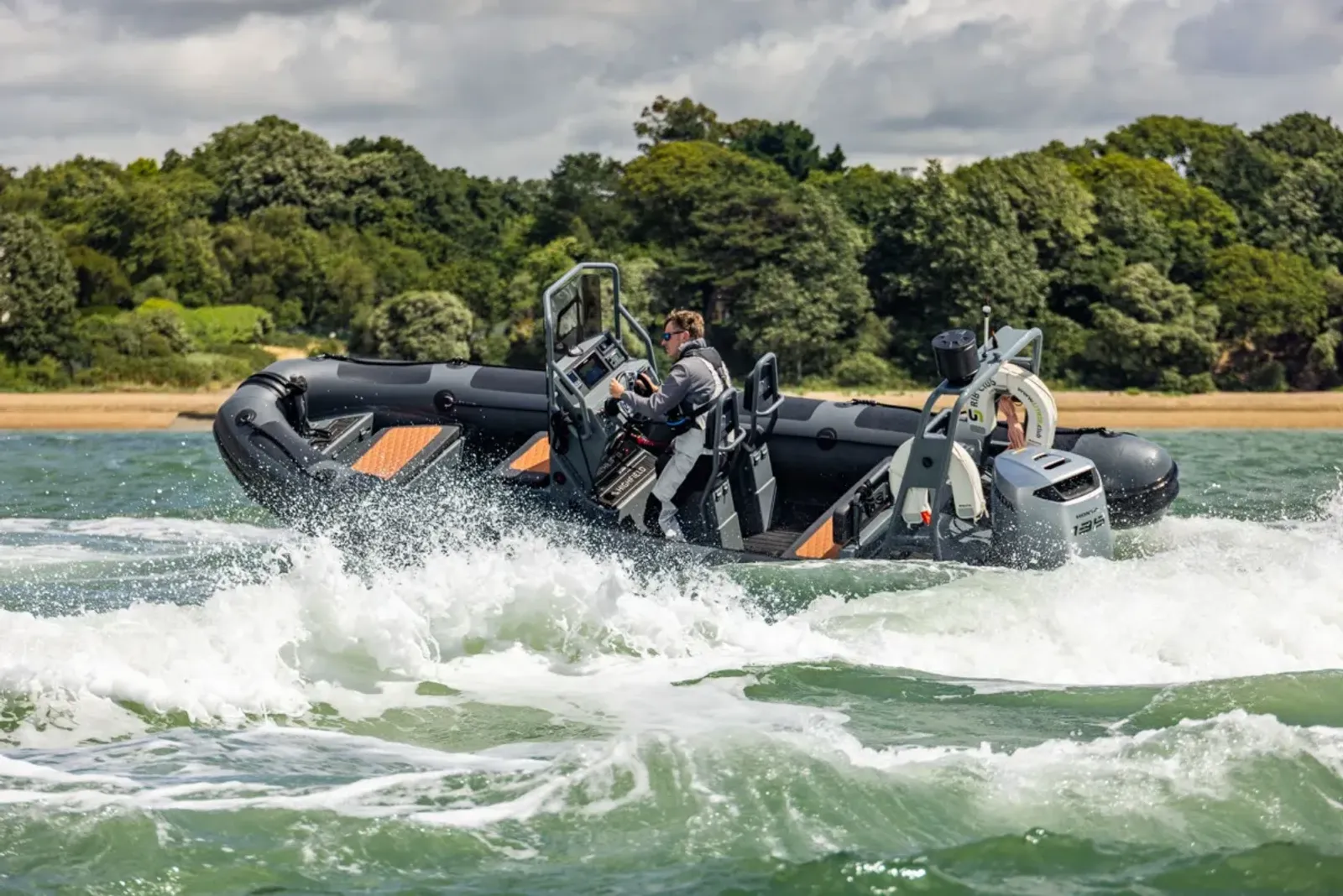
RYA Powerboat Advanced
Aimed at more experienced leisure and professional boaters who would like to consolidate their experience by achieving a more demanding qualification. Covers advanced techniques, passage planning, and seamanship at a higher level.



Before you start
Recommended preparation
Study the shorebased theory before your practical dates. You'll arrive ready to work on skippering skills instead of learning navigation from scratch.
RYA Powerboat Advanced is aimed at more experienced leisure and professional boaters who would like to consolidate their experience by achieving a more demanding qualification on board a powerboat.
The course further develops your skippering techniques so that you can undertake more challenging trips by day and night in coastal waters.
You will carry out advanced high speed manoeuvres such as lee shore handling, berthing in adverse conditions and search and rescue patterns. You will also learn about night time navigation, plan and undertake night time passages.
The RYA Powerboat Advanced qualification can be used commercially and it's the required standard by many professional bodies such as the RNLI, Police and Military. To obtain your commercial endorsement you will need to complete an independent exam for the Advanced Powerboat Certificate of Competence conducted by an MCA/RYA examiner.
Prerequisites
- Qualification: RYA Powerboat Intermediate, or Level 2 with substantial hands-on experience.
- Boat handling: To Intermediate standard.
- Navigation: Chartwork knowledge to Coastal Skipper level.
- For commercial use: A valid First Aid certificate and SRC/VHF radio licence are also required.
What You'll Cover
- High speed manoeuvres
- Close quarters boat handling
- Heavy weather techniques
- Passage making and responsibility as skipper
- Pilotage and navigation
- Meteorology
- Rules of the road
- Use of engines
- Emergency situations
- Night cruising
Detailed Syllabus
Preparation for Sea
- Preparation of vessel and safety brief
- Stowing and securing gear for coastal passages
- Engine operations and routine checks, fuel systems, kill-cord
- Fuel system, bleeding, changing filters and impellers
Boat Handling
- Hull forms and their handling characteristics, propeller configurations
- Knowledge of action to be taken in rough weather
- Significance of tidal stream on sea conditions
- Steering and power control through waves
- Understanding and correct use of power trim and tabs
- Towing under open sea conditions and in confined areas
- Strategy up and downwind and in heavy weather
- Effects of wind and tide when manoeuvring
- Berthing, un-berthing, mooring buoys, and anchoring
- Recovery of man overboard
Responsibilities
- Skippering the vessel with effective crew communication
- Preparing the vessel for sea and adverse weather
- Tactics for heavy weather and restricted visibility
- Emergency and distress situations
- Customs procedures and courtesy to other water users
Passage Making and Pilotage
- Charts, navigational publications and sources of information
- Chart work including position fixing and shaping course for tide
- Tidal heights and depths
- Buoyage and visual aids to navigation
- Instruments: compasses, logs, echo sounders, GPS and radar
- Passage planning and navigational tactics
- High speed navigation, pre-planning and execution
- Pilotage techniques and harbour entry/departure
- Navigational records and margins of safety
Meteorology
- Using weather and tidal information for passage planning
- Beaufort Scale and significance to small craft
- Sources of weather forecasts
- Weather systems and local effects
- Interpretation of forecasts and barometric trends
Rules of the Road
- International Regulations for Preventing Collisions at Sea
- Identifying power and sailing vessels by night
- Knowledge of lights of tugs and trawlers
Safety
- Safety equipment based on RYA booklet C8 or Codes of Practice
- Fire prevention and fighting
- Hull damage and watertight integrity
- Medical emergencies
- VHF emergency procedures
- Helicopter rescue procedures
- Use of flares, lifejackets, and life rafts
- Man overboard and sector search procedures
After the Course
You'll have consolidated your powerboat experience and be confident to plan and execute high speed coastal trips and close quarters manoeuvres, day or night.
Frequently Asked Questions
What experience do I need?
You should hold the RYA Intermediate Powerboat certificate and have logged additional time on the water. The Advanced certificate covers longer passages and more demanding conditions.
What does the course cover?
The course covers advanced passage planning, pilotage by day and night, handling in adverse conditions, emergency procedures, and boat maintenance. The aim is to develop confident, independent skippers.
Is there an exam?
The Advanced Powerboat course is continuously assessed throughout by your instructor. There is no separate exam — your instructor will assess your competence over the two days.
What happens if the weather is bad?
We run courses in most weather conditions as it is all part of the learning experience. In extreme conditions we may need to reschedule, and we will contact you as early as possible.
Where do I meet and what time?
Full joining instructions including the exact meeting point, start time, and parking information will be sent to you by email before the course.
What if I need to cancel?
Please see our terms and conditions for our cancellation policy. We understand plans can change and will always try to move you to an alternative date where possible.